
This article examines the price movements of select electronics products, focusing on iPhone accessories in Greece and Mexico, highlighting significant changes and volatility.
Introduction to Electronics Pricing Trends
The electronics market is characterized by fluctuating prices influenced by various factors, including retailer strategies, regional demand, and currency variations. This article analyzes specific products, particularly iPhone accessories, across different retailers in Greece and Mexico, utilizing data from the Open Price Engine.
By comparing prices from different stores and countries, we aim to uncover trends in pricing strategies and consumer behavior, providing insights into how prices can vary significantly even for similar products. Understanding these variations is crucial for both consumers and retailers, as it can influence purchasing decisions and inventory management.
Furthermore, the analysis of pricing trends can reveal underlying economic conditions in each country. For instance, factors such as inflation rates, import tariffs, and local competition can all play a role in determining how prices are set. This article will delve into these aspects, offering a comprehensive overview of the pricing landscape for iPhone accessories in the two markets.
Product Overview: iPhone Accessories in Greece
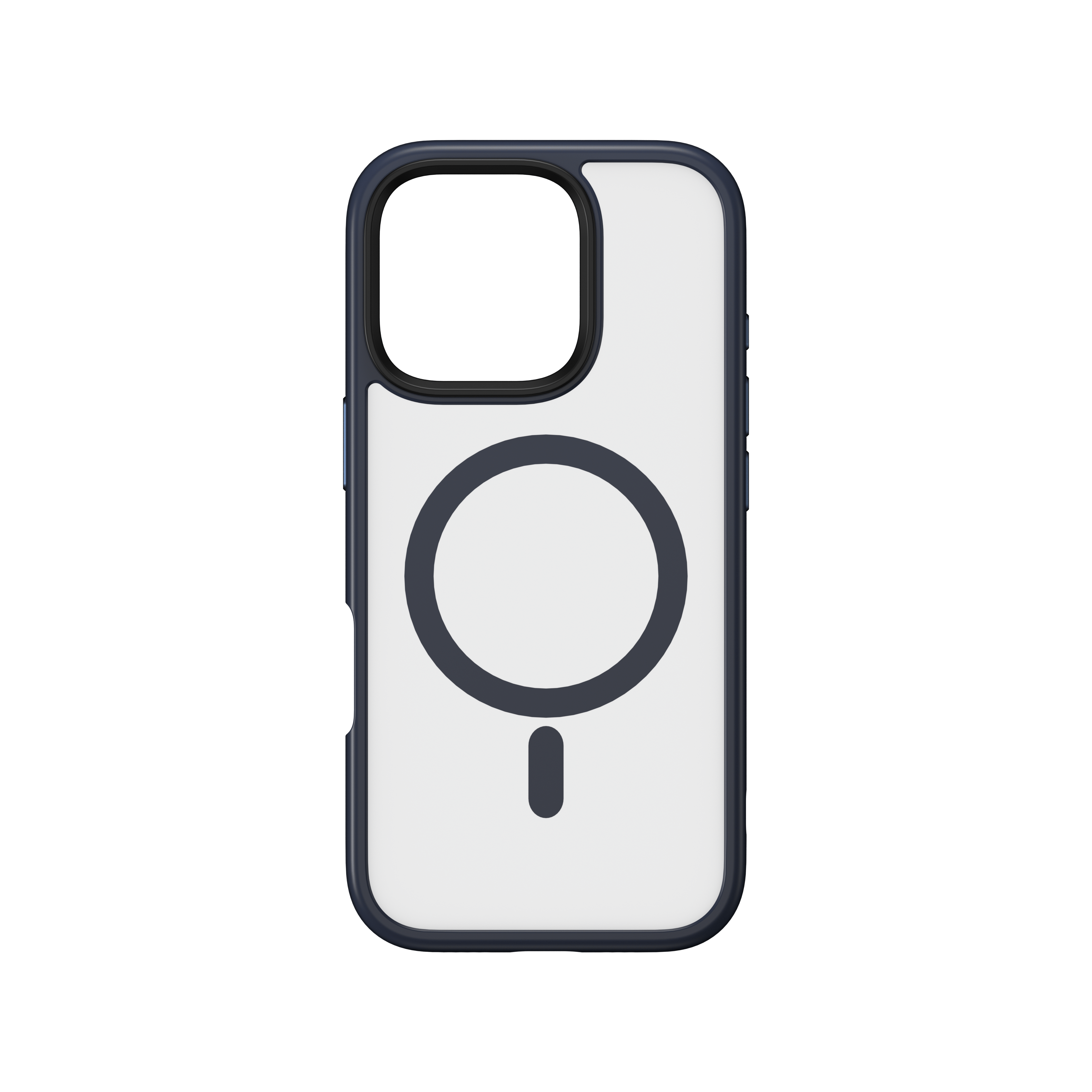
The first product analyzed is the iStorm essentials iPhone 16 Pro Max Magnetic Silicone Case in Blue, available in Greece. Over a period from August 6, 2026, to September 24, 2026, the price of this case started at €7.90 and rose to €24.90, resulting in a substantial change of €17.00, which corresponds to a percentage increase of 215.19%. The average price during this period was €16.40, with a median also at €16.40, indicating a consistent pricing trend despite the price increase.
The significant price increase for the iStorm case raises questions about the factors driving such a dramatic shift. One possible explanation could be the introduction of new features or improvements in the product, which may enhance its perceived value among consumers. Additionally, seasonal demand may have played a role, as consumers often seek protective accessories for their devices during back-to-school periods or holiday seasons.
The second product, the Sentio Θήκη Oqulus Tread for iPhone 17 Pro Max / 18 Pro Max in Blue, was sold at Plaisio in Greece. This case experienced a price increase from €12.99 to €24.99 between September 3, 2026, and October 22, 2026. The total change was €12.00, reflecting a percentage increase of 92.38%. The average price during this observation was €18.99, with a median of €18.99, suggesting a stable pricing structure throughout the observed period. This stability may indicate effective pricing strategies by the retailer, possibly aimed at maintaining customer loyalty while still capitalizing on demand.
Price Analysis: Volatility and Trends in Greece
The observed price changes for both iPhone accessories in Greece indicate significant volatility. The iStorm case saw a maximum price of €24.90 and a minimum of €7.90, illustrating a range of €17.00. In contrast, the Sentio case had a maximum of €24.99 and a minimum of €12.99, resulting in a range of €12.00. The standard deviation for the iStorm case was €8.50, indicating higher variability in prices compared to the Sentio case, which had a standard deviation of €6.00. This higher variability for the iStorm case suggests that its pricing may be more sensitive to market fluctuations or promotional strategies.
These fluctuations can be attributed to various factors, including seasonal promotions, retailer pricing strategies, and consumer demand fluctuations. For instance, retailers may implement aggressive pricing strategies during high-demand periods to attract more customers, leading to significant price increases. Conversely, during off-peak times, prices may stabilize or decrease as retailers seek to clear inventory.
The significant price increase for both products suggests a potential shift in consumer perception regarding the value of these accessories. As consumers become more aware of the importance of protecting their devices, they may be willing to pay higher prices for quality accessories. This trend may also reflect broader economic conditions, such as increased disposable income or a growing emphasis on technology and personal devices in daily life.
Product Overview: iPhone Accessories in Mexico
In Mexico, we examine the Funda Para iPhone 16 Holo, available at iShop Mixup. This product's price ranged from MXN 399.00 to MXN 699.00 between August 6, 2026, and September 24, 2026. The observed change was MXN 300.00, resulting in a percentage increase of 75.19%. The average price during this period was MXN 549.00, with a median also at MXN 549.00, indicating a stable pricing trend despite the increase. This stability in pricing suggests that the retailer may have a well-defined pricing strategy that balances consumer demand with inventory management.
The price range of MXN 300.00 showcases a significant increase, but the overall average and median values suggest that the price adjustments were consistent and not excessively volatile over the observed period. This could indicate a more stable market environment in Mexico for this particular product category, possibly due to less aggressive competition among retailers or a more predictable consumer demand pattern.
Moreover, the observed price increase may also reflect changes in the cost of materials or production for these accessories. If manufacturers face higher costs, they may pass these increases onto consumers, which could explain the upward trend in prices. Understanding these dynamics is crucial for consumers looking to make informed purchasing decisions, as it highlights the importance of considering the broader economic context when evaluating product prices.
Price Comparison: Greece vs. Mexico
When comparing the price movements of iPhone accessories in Greece and Mexico, notable differences emerge. The iStorm case in Greece experienced a more dramatic price increase of 215.19%, while the Funda Para iPhone 16 Holo in Mexico saw a comparatively lower increase of 75.19%. This disparity highlights how different markets react to similar products and the potential influence of local economic conditions on pricing. For example, in Greece, the higher percentage increase may reflect a more competitive market where retailers are adjusting prices more aggressively in response to consumer demand.
Additionally, the average price of the iStorm case (€16.40) is lower than that of the Funda Para iPhone 16 Holo (MXN 549.00), which translates to approximately €28.00 at current exchange rates. This indicates that consumers in Mexico may be paying a premium for similar accessories, potentially reflecting differences in market demand, product availability, or retailer pricing strategies. The higher average price in Mexico could also be influenced by import costs or tariffs that affect the final retail price.
Furthermore, the differences in pricing strategies between the two countries may also be indicative of varying consumer behaviors. For instance, consumers in Greece may prioritize affordability and seek out lower-priced options, while those in Mexico might be more inclined to invest in higher-priced accessories that promise better quality or durability. This behavioral divergence can significantly impact how retailers position their products and adjust their pricing strategies in each market.
Implications of Pricing Trends
The observed price increases for iPhone accessories in both Greece and Mexico suggest a broader trend that could impact consumer purchasing decisions. High volatility in prices may lead consumers to seek out competitive pricing across different retailers, potentially affecting brand loyalty and purchasing behavior. As consumers become more price-sensitive, they may prioritize finding the best deals, which could lead to increased competition among retailers to attract customers through promotions and discounts.
Retailers may need to adjust their pricing strategies in response to these trends, considering factors such as promotional offers, seasonal demand, and competitor pricing. Understanding these dynamics can help retailers position themselves more effectively in the market. For instance, retailers could implement loyalty programs or targeted marketing campaigns to retain customers who might otherwise switch to competitors offering lower prices.
Moreover, the implications of these pricing trends extend beyond immediate consumer behavior. As retailers adapt their strategies, they may also influence the overall market landscape, potentially leading to a shift in how products are priced and marketed. This could result in a more dynamic and competitive environment, where retailers are constantly evaluating their pricing strategies to remain relevant and appealing to consumers.
Practical Use Cases for Consumers
For consumers, the significant price variations observed in iPhone accessories across different retailers and countries underscore the importance of price comparison before making a purchase. By leveraging platforms like Open Price Engine, consumers can make informed decisions, ensuring they get the best value for their money. This proactive approach to shopping can lead to substantial savings, especially in markets characterized by high price volatility.
Additionally, consumers should consider the timing of their purchases, as prices may fluctuate based on promotional periods or new product releases. Being aware of these trends can lead to more strategic purchasing decisions and potential savings. For example, consumers might choose to wait for holiday sales or special promotions to buy accessories at a lower price, rather than making impulsive purchases at higher prices.
Furthermore, understanding the factors that drive price changes can empower consumers to negotiate better deals or seek out alternatives. By being informed about market trends and pricing strategies, consumers can advocate for themselves in retail environments, potentially influencing retailers to offer more competitive pricing.
Conclusion: Understanding Electronics Pricing Dynamics
The analysis of electronics prices, specifically iPhone accessories in Greece and Mexico, reveals significant insights into pricing dynamics across different retailers and markets. The observed price changes highlight the volatility and variability that can exist even within similar product categories. This volatility is influenced by a multitude of factors, including consumer demand, retailer strategies, and broader economic conditions, which all play a critical role in shaping pricing trends.
As retailers continue to adapt their pricing strategies, understanding these trends will be crucial for both consumers and businesses. By staying informed about pricing movements, stakeholders can navigate the complexities of the electronics market more effectively. This knowledge can lead to more strategic decision-making for retailers, as they seek to optimize their pricing while remaining competitive in a rapidly changing landscape.
Ultimately, the insights gained from this analysis underscore the importance of continuous monitoring and evaluation of pricing strategies in the electronics market. As consumer preferences evolve and market conditions shift, both retailers and consumers must remain agile and informed to make the most of the opportunities presented by these dynamics.
Key takeaways
- The iStorm essentials iPhone 16 Pro Max case in Greece saw a price increase of 215.19%, from €7.90 to €24.90.
- The Sentio Θήκη Oqulus Tread case in Greece experienced a 92.38% increase, with prices ranging from €12.99 to €24.99.
- The Funda Para iPhone 16 Holo in Mexico had a price increase of 75.19%, with a range from MXN 399.00 to MXN 699.00.
- Price volatility in Greece was higher for the iStorm case, with a standard deviation of €8.50 compared to €6.00 for the Sentio case.
- Comparative analysis shows that Mexican consumers may pay a premium for similar accessories, with average prices reflecting local market conditions.
- Understanding pricing trends can help consumers make informed purchasing decisions and retailers adjust their strategies.
Methodology and limitations
This analysis is based on observed price data from Open Price Engine for specific iPhone accessories in Greece and Mexico. The data covers different periods and includes descriptive statistics such as average, median, range, percentage change, and standard deviation. Limitations include the small sample size and the focus on specific products, which may not represent broader market trends.
This article was prepared with AI assistance and checked against the Open Price Engine observations cited in the article. It is informational and should not be treated as investment, economic-policy, or purchasing advice.