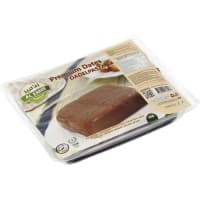

This article outlines a monitoring checklist for analysts focusing on pasta price observations in Sweden, specifically the Dadelpasta AL EMIR.
Overview of Dadelpasta AL EMIR Price Observations
The Dadelpasta AL EMIR, a 1kg product, was observed at Hemköp in Sweden from July 24, 2026, to November 21, 2026. Over this period, a total of 121 observations were recorded, revealing significant price dynamics.
The price for Dadelpasta AL EMIR started at 31.18 SEK and increased to 34.95 SEK, indicating a change of 3.77 SEK, or a 12.09% increase. The average price during this period was 32.46 SEK, while the median remained at the initial price of 31.18 SEK. The range of prices fluctuated from a minimum of 31.18 SEK to a maximum of 34.95 SEK.
Price Change Analysis
The observed increase in price reflects a notable change over the monitoring period. The percentage change of 12.09% suggests a trend worth investigating further, particularly in the context of seasonal demand or supply chain factors affecting pasta pricing.
Analysts should consider the implications of this price increase in relation to other pasta products or similar grocery items. Understanding whether this change is an outlier or part of a broader trend will be critical for accurate market analysis.
Volatility and Price Stability
The population standard deviation for the price of Dadelpasta AL EMIR is 1.78 SEK, indicating a degree of volatility in the pricing over the observed period. This level of variability should prompt analysts to monitor not only the average price but also the consistency of pricing across different retailers.
Analysts should track the frequency and magnitude of price changes to identify patterns that may signify underlying market conditions or consumer behavior shifts.
Future Monitoring Considerations
Moving forward, analysts can establish a checklist for monitoring pasta prices that includes tracking the following aspects: frequency of price changes, comparisons with other pasta products, and seasonal pricing trends.
Additionally, monitoring promotional activities, sales, and discounts at Hemköp and other retailers can provide insights into pricing strategies and consumer purchasing patterns.
- Track weekly price changes and document reasons for fluctuations.
- Compare prices of similar pasta products across different retailers.
- Monitor seasonal trends that may affect pasta pricing.
Comparative Analysis with Other Grocery Items
While this analysis focuses on Dadelpasta AL EMIR, it is essential to consider how its price movements relate to other grocery items, particularly similar carbohydrate-based products. This comparative analysis can help identify whether price changes are isolated or indicative of broader market trends.
Analysts should look for correlations between pasta prices and those of other staples, such as rice or bread, as these may provide additional context for understanding consumer behavior and pricing strategies.
Key takeaways
- Dadelpasta AL EMIR's price increased by 12.09% from July to November 2026.
- The average price during the observation period was 32.46 SEK, with a median of 31.18 SEK.
- A population standard deviation of 1.78 SEK indicates moderate price volatility.
- Future monitoring should include tracking price changes, seasonal trends, and promotional activities.
- Comparative analysis with other grocery items can provide insights into market dynamics.
Methodology and limitations
The analysis is based on 121 observations of Dadelpasta AL EMIR from Hemköp in Sweden between July 24, 2026, and November 21, 2026. The descriptive statistics include the starting price of 31.18 SEK, a latest price of 34.95 SEK, an average of 32.46 SEK, a median of 31.18 SEK, and a price range from 31.18 SEK to 34.95 SEK. The population standard deviation is 1.78 SEK. The observations are limited to this single product and do not represent broader market trends or other pasta varieties.
This article was prepared with AI assistance and checked against the Open Price Engine observations cited in the article. It is informational and should not be treated as investment, economic-policy, or purchasing advice.