

This article examines the critical aspects of data quality, freshness, and transparency in retail price-intelligence systems, with a focus on electronics.
Introduction to Price Intelligence in Retail
Price intelligence products have become essential tools for retailers and consumers alike, providing insights into pricing trends and helping to inform purchasing decisions. As the landscape of retail continues to evolve, particularly in the electronics sector, the importance of building responsible price-intelligence products cannot be overstated. This article explores the key components that contribute to effective price intelligence, including data quality, freshness, transparent assumptions, and the role of responsible AI in summarizing complex data.
In today's fast-paced retail environment, consumers are increasingly reliant on technology to guide their purchasing choices. Price intelligence systems not only aggregate data from various sources but also analyze it to provide actionable insights. This is particularly relevant in the electronics market, where prices can fluctuate significantly due to factors such as technological advancements, seasonal demand, and competitive pressures. Understanding these dynamics is crucial for both retailers aiming to optimize their pricing strategies and consumers looking to make informed purchasing decisions.
Moreover, as the world becomes more interconnected, the implications of price intelligence extend beyond individual markets. Global supply chains and international competition mean that price changes in one region can influence markets elsewhere. Therefore, a comprehensive understanding of price intelligence is essential for stakeholders across the retail spectrum.
Data Quality: The Foundation of Price Intelligence
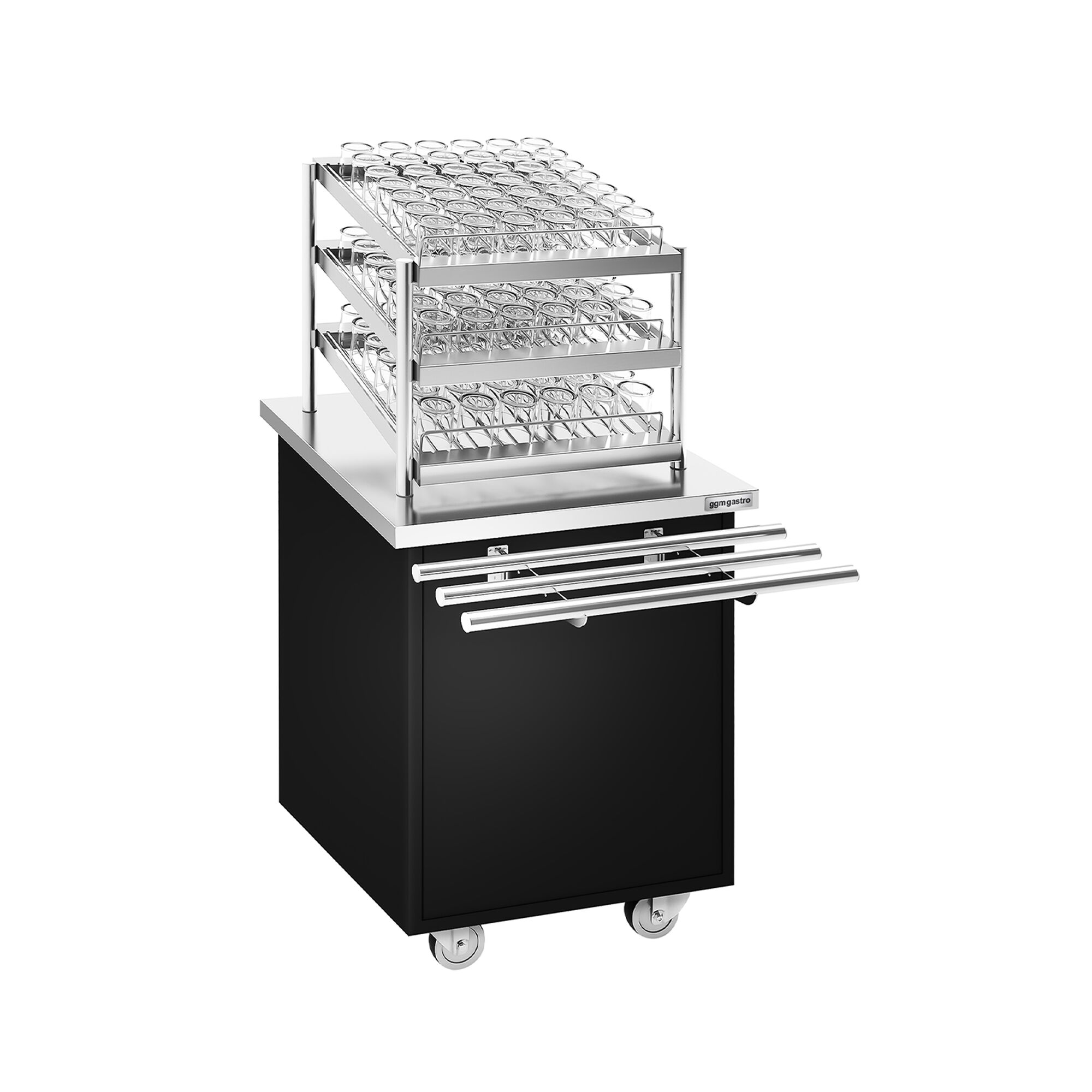
Data quality is paramount in the development of price-intelligence products. High-quality data ensures that the insights derived from it are accurate and reliable. For instance, the product 'Gläser- & Tassenstation DANZIG' observed in Germany shows a significant price increase from EUR 1,079.99 to EUR 1,427.99 over a period of approximately two and a half months. This change represents a 32.22% increase, indicating a notable volatility in pricing. The average price during this period was EUR 1,195.99, while the median remained at EUR 1,079.99, suggesting that the price shift may not be uniform across all observations.
In contrast, the 'Bluetooth Wireless Tablet Multi-trac Blue Led Mouse' in the USA exhibited a decrease in price from USD 19.41 to USD 14.55, reflecting a 25.04% decline. The average price was USD 16.98, with a standard deviation of USD 2.43, indicating a relatively stable pricing environment compared to the DANZIG product. Such discrepancies highlight the necessity of robust data collection and validation methods to ensure that price changes are accurately captured and reported. Retailers must invest in systems that not only gather data but also assess its quality to avoid misleading conclusions.
Furthermore, the implications of poor data quality can be significant. Retailers relying on inaccurate data may misprice their products, leading to lost sales or reduced profit margins. Consumers, on the other hand, may find themselves confused or misled by price information that does not reflect the true market conditions. Thus, ensuring high data quality is not just a technical requirement; it is a fundamental aspect of maintaining trust and credibility in the retail market.
Freshness of Data: Timeliness in Price Reporting
The freshness of data is another critical aspect of price intelligence. In fast-moving markets like electronics, prices can fluctuate rapidly based on various factors, including supply chain dynamics and consumer demand. The observation period for the 'Tablet Lenovo IdeaTab Plus' in Mexico, from August 6 to September 24, 2026, shows a price reduction from MXN 8,999.0 to MXN 7,499.0, a decrease of 16.67%. The average price during this period was MXN 8,249.0. This timely reporting allows stakeholders to make informed decisions based on the most current data available.
By maintaining up-to-date price information, retailers can adjust their pricing strategies to remain competitive, while consumers can benefit from insights that reflect the latest market conditions. The ability to track price changes in real time is a significant advantage for any price-intelligence system. For example, if a retailer notices a sudden drop in the price of a competitor's tablet, they can quickly respond by adjusting their own prices or launching a promotional campaign to attract consumers.
However, the challenge lies in the frequency and accuracy of data updates. Retailers must implement systems that not only collect data but also ensure that it is refreshed regularly. This can involve leveraging advanced technologies such as machine learning algorithms that can analyze pricing trends and predict future changes. Ultimately, the goal is to provide stakeholders with the most relevant information, enabling them to make decisions that align with current market realities.
Transparent Assumptions: Building Trust in Data
Transparency in the assumptions underlying price data is essential for building trust among users of price-intelligence products. Stakeholders need to understand how prices are determined, including the methodologies used for data collection and analysis. For example, the observations for the 'Gläser- & Tassenstation DANZIG' included 12 data points, providing a robust sample for analysis. However, users should be informed of the potential limitations of this sample size, including the possibility of outliers affecting the average price. Transparency about sample size and data collection methods allows users to assess the reliability of the insights presented.
In the case of the 'Bluetooth Wireless Tablet Multi-trac Blue Led Mouse,' only eight observations were recorded, which may limit the reliability of the average price reported. Acknowledging these limitations helps users contextualize the data and make more informed decisions based on the insights provided. Retailers and data providers should strive to communicate clearly about the data's strengths and weaknesses, ensuring that users are fully informed about the context in which the data was collected.
Moreover, transparency fosters a culture of accountability. When stakeholders understand the assumptions and methodologies behind price data, they are more likely to trust the insights generated. This trust is crucial for encouraging the adoption of price-intelligence products among retailers and consumers alike, as it empowers them to make decisions based on reliable information.
The Role of Responsible AI in Price Summaries
As artificial intelligence becomes increasingly integrated into price-intelligence products, it is vital to ensure that AI systems operate responsibly. Responsible AI should provide clear summaries of price data without introducing bias or misrepresenting the information. For instance, the price volatility observed in the DANZIG product necessitates careful interpretation. The AI systems should be designed to highlight significant changes while also providing context, such as historical price trends and market conditions. This contextualization is essential for users to understand the implications of price changes and make informed decisions.
Moreover, responsible AI should be transparent about its decision-making processes, allowing users to understand how conclusions are reached. This transparency is crucial for fostering trust and ensuring that stakeholders can rely on AI-generated insights. For example, if an AI system identifies a price drop in a specific product, it should also provide information about the factors contributing to that change, such as increased competition or changes in consumer demand. By doing so, users can better understand the dynamics at play and adjust their strategies accordingly.
Additionally, the ethical implications of AI in price intelligence must not be overlooked. Developers and data scientists must ensure that AI systems do not perpetuate biases or inequalities in pricing. This involves regularly auditing algorithms and data sources to identify and mitigate any potential biases. By prioritizing responsible AI practices, companies can create price-intelligence products that not only deliver accurate insights but also uphold ethical standards.
Implications for Retailers and Consumers
The implications of high-quality, fresh, and transparent price intelligence are profound for both retailers and consumers. Retailers can leverage accurate price data to optimize their pricing strategies, ensuring they remain competitive in a dynamic market. For instance, the significant price increase of the DANZIG product may prompt retailers to explore their supply chain efficiencies or consider promotional strategies to attract consumers despite rising prices. By understanding the factors driving price changes, retailers can make informed decisions that align with market conditions.
Consumers, on the other hand, benefit from having access to reliable price information that can inform their purchasing decisions. The ability to track price changes, as seen in the case of the Lenovo tablet, empowers consumers to make informed choices about when to buy, potentially leading to cost savings. When consumers have access to accurate price data, they are better equipped to identify the best time to make a purchase, ultimately enhancing their shopping experience.
Furthermore, the interplay between retailers and consumers in the price intelligence ecosystem creates a feedback loop that can drive market improvements. As retailers respond to consumer behavior and preferences, they may adjust their pricing strategies, leading to more competitive pricing overall. This dynamic can foster a healthier retail environment where both parties benefit from transparent and accurate pricing information.
Practical Use Cases of Price Intelligence
Practical applications of price intelligence are diverse and can be tailored to meet the needs of various stakeholders. Retailers can utilize price intelligence to monitor competitor pricing and adjust their strategies accordingly. For example, if a competitor lowers the price of a similar tablet, retailers can respond by offering promotions or discounts to maintain market share. This proactive approach allows retailers to stay competitive and responsive to market changes, ultimately benefiting their bottom line.
Additionally, consumers can use price intelligence tools to set price alerts for products they are interested in, ensuring they purchase at the optimal time. The observed price changes for products like the Bluetooth mouse and Lenovo tablet illustrate how consumers can benefit from real-time data to make informed purchasing decisions. By leveraging price intelligence, consumers can avoid overpaying for products and take advantage of sales or discounts when they arise.
Moreover, price intelligence can also inform marketing strategies. Retailers can analyze pricing trends to identify opportunities for targeted promotions or discounts. For instance, if data indicates that a particular product is experiencing a price drop, retailers can create marketing campaigns to highlight this change and attract consumers. This strategic use of price intelligence not only enhances sales but also strengthens brand loyalty by providing consumers with valuable insights.
Conclusion: The Future of Price Intelligence
As the retail landscape continues to evolve, the demand for responsible price-intelligence products will only grow. Ensuring data quality, freshness, and transparency will be critical in building systems that stakeholders can trust. The insights derived from price data not only inform retail strategies but also empower consumers to make informed decisions. The future of price intelligence lies in the ability to adapt to changing market conditions while maintaining a focus on ethical practices and responsible data usage.
Moving forward, the integration of responsible AI will play a vital role in enhancing the capabilities of price-intelligence products. By prioritizing these principles, companies can create robust systems that serve the needs of both retailers and consumers, ultimately contributing to a more informed marketplace. As technology continues to advance, the potential for price intelligence to evolve and improve will only increase, offering new opportunities for stakeholders to leverage data effectively.
In conclusion, the journey towards building responsible price-intelligence products is ongoing. Stakeholders must remain vigilant in their commitment to data quality, transparency, and ethical practices. By doing so, they can foster a retail environment that benefits everyone involved, from retailers to consumers, and ultimately contributes to a more equitable and informed marketplace.
Key takeaways
- Data quality is essential for reliable price intelligence, as seen in the price fluctuations of the DANZIG product.
- Timeliness of data reporting allows stakeholders to make informed decisions based on current market conditions.
- Transparent assumptions regarding data collection methods build trust among users of price-intelligence products.
- Responsible AI should provide unbiased summaries of price data, ensuring clarity and context for users.
- Retailers can optimize pricing strategies by leveraging accurate price intelligence to monitor competitors.
- Consumers benefit from real-time price data, enabling them to make informed purchasing decisions.
Methodology and limitations
The observations were collected from various stores and countries between August 6 and October 22, 2026. Each product's price data includes statistics such as average, median, minimum, maximum, and standard deviation, with limitations acknowledged regarding sample size and representativeness.
This article was prepared with AI assistance and checked against the Open Price Engine observations cited in the article. It is informational and should not be treated as investment, economic-policy, or purchasing advice.