
This article examines price movements of electronics, focusing on laptops and accessories across the UK, Denmark, and Spain.
Introduction to Electronics Pricing
The electronics market is characterized by dynamic pricing influenced by various factors such as retailer strategies, regional demand, and currency fluctuations. This analysis utilizes data from Open Price Engine to explore how prices for specific electronics products, particularly laptops and accessories, vary across different retailers and countries.
By examining the price trends of selected products, we aim to identify patterns and insights that can inform consumers and retailers alike about pricing behavior in the electronics sector. Understanding these trends is crucial, as they can significantly impact purchasing decisions and inventory management for retailers.
Moreover, the electronics market is often subject to rapid technological advancements, which can lead to frequent price adjustments. As new models are released, older models may see price reductions, while demand for the latest technology can drive prices up. This interplay between innovation and pricing is a critical aspect of the market that this analysis aims to highlight.
ASUS Vivobook 15 in the UK
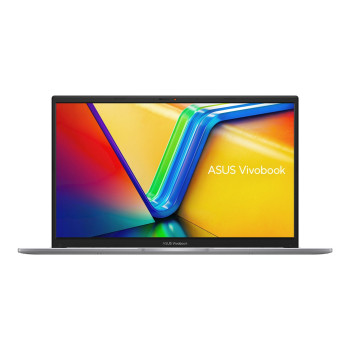
The ASUS Vivobook 15 X1504VA-BQ3782W, featuring an Intel Core 7 150U processor, 16GB RAM, and a 1TB SSD, is priced at various points in the UK market. Observations from Box show that the price started at £529.99 and rose to £789.99 over the observation period from September 3 to October 22, 2026. This price trajectory indicates a strong upward trend, which could be attributed to factors such as increased demand, limited availability, or strategic pricing by the retailer.
The average price during this period was £659.99, with a median also at £659.99. The price change of £260.00 represents a 49.06% increase, indicating significant volatility in the pricing of this laptop model, with a standard deviation of £130.00. Such a high standard deviation suggests that there were considerable fluctuations in the price points observed, which could be reflective of promotional pricing strategies or changes in market conditions.
This substantial increase in price may also suggest that consumers are willing to pay a premium for the latest technology, especially in a competitive market where features such as processing power and storage capacity are critical. Retailers may leverage this willingness to pay by adjusting prices dynamically based on consumer interest and competitor pricing.
- Price range: £529.99 to £789.99
Microsoft Surface Laptop 6 in Denmark
In Denmark, the Microsoft Surface Laptop 6 (256 GB) was monitored at Power from June 5 to September 25, 2025. The initial price was DKK 13,989.00, increasing to DKK 19,999.00 by the end of the observation period. This notable increase of DKK 6,010.00, or 42.96%, highlights the potential for significant price shifts in premium electronics, particularly in a market that values high-quality devices.
The average price recorded was DKK 16,562.60, with a median price of DKK 14,837.00. The total price change corresponds to a considerable shift in pricing, with a population standard deviation of DKK 2,822.84. The high standard deviation indicates that there were substantial variations in the prices observed, which may be influenced by factors such as promotional discounts, seasonal sales, or changes in consumer demand.
This price increase may reflect a combination of factors, including the introduction of new features, increased production costs, or competitive pressures from other laptop brands. Consumers in Denmark may be particularly sensitive to these changes, as the market for premium laptops can be quite competitive, leading retailers to adjust prices frequently to attract buyers.
- Price range: DKK 13,989.00 to DKK 19,999.00
StarTech.com Laptop Stand in Spain
The StarTech.com Ergonomic and Ventilated Aluminum Laptop Stand was observed in Spain at Beep between September 3 and October 22, 2026. The price began at €45.76 and reached €47.66 during the observation period. This change of €1.90 represents a modest 4.15% increase, which is significantly lower than the price fluctuations observed in laptops. The narrower price range indicates a more stable pricing environment for accessories compared to laptops.
With an average price of €46.71 and a median also at €46.71, the data suggests that the pricing for this accessory remained relatively consistent. The low standard deviation of €0.95 further supports the notion that prices for accessories like laptop stands are less volatile, which may be due to lower consumer demand fluctuations compared to laptops.
This stability in pricing could be advantageous for consumers, as it allows for more predictable purchasing decisions. Retailers may also benefit from this stability, as it can lead to better inventory management and reduced markdowns during sales periods. The consistent pricing may reflect a well-established market for laptop accessories, where consumers have clear expectations regarding value and quality.
- Price range: €45.76 to €47.66
Price Comparison Across Products
The observed prices for the ASUS Vivobook 15 and the Microsoft Surface Laptop 6 demonstrate significant differences in pricing strategies across the UK and Denmark. The ASUS laptop experienced a larger percentage increase compared to the Surface Laptop, despite the latter starting at a much higher base price. This discrepancy may indicate that the UK market is experiencing more aggressive pricing strategies or that consumer demand is particularly strong for the ASUS model during the observation period.
In contrast, the StarTech.com laptop stand showed minimal price movement, suggesting a more stable pricing environment for accessories compared to laptops. This highlights how product categories can influence price volatility and consumer purchasing behavior. Accessories may not be subject to the same rapid price changes as laptops, which are often driven by technological advancements and competitive pressures.
Furthermore, the differences in pricing strategies could reflect varying consumer behaviors in different markets. For instance, consumers in the UK may be more price-sensitive, leading retailers to adjust prices more frequently to capture market share. Conversely, in Denmark, the premium pricing of the Surface Laptop 6 may indicate a market willing to invest in high-quality products, resulting in less price fluctuation.
- Laptops show greater price fluctuations compared to accessories.
Implications for Consumers
Understanding price movements can empower consumers to make informed purchasing decisions. The significant price increases observed in laptops suggest that consumers may benefit from monitoring prices closely and purchasing during periods of lower pricing. For instance, consumers looking to buy the ASUS Vivobook 15 may find it advantageous to track price changes and consider purchasing when prices dip closer to the initial price point.
Additionally, the lower volatility in accessory pricing like the StarTech.com stand indicates that consumers may have more flexibility in timing their purchases for these items. This stability allows consumers to plan their purchases without the urgency that often accompanies high-demand electronics, which can fluctuate rapidly in price.
Retailers can also leverage this knowledge by implementing targeted promotions during periods of low demand or by adjusting their pricing strategies based on observed trends. By understanding consumer behavior and price sensitivity, retailers can optimize their pricing to enhance sales and customer satisfaction.
- Consumers should monitor electronics prices to capitalize on lower rates.
Retailer Strategies and Market Dynamics
Retailers may adopt various pricing strategies that affect how electronics are priced across different countries. Factors such as local competition, supply chain costs, and consumer preferences can lead to divergent pricing for similar products. For example, a retailer in the UK may choose to lower prices to compete with local rivals, while a retailer in Denmark may maintain higher prices due to less competition in the premium laptop segment.
The observed price changes also reflect broader market dynamics, including seasonal demand spikes and promotional pricing strategies that retailers may employ to attract customers. For instance, retailers may increase prices leading up to holiday seasons or back-to-school periods when demand for laptops typically surges.
Moreover, currency fluctuations can also play a significant role in international pricing strategies. Retailers must consider exchange rates when setting prices for imported goods, which can lead to variations in pricing across different countries. This complexity adds another layer of strategy for retailers operating in multiple markets, as they must balance competitive pricing with profitability.
- Retailers must consider local market conditions when setting prices.
Conclusion
This analysis of electronics pricing across different retailers and countries reveals substantial variability in how products are priced. The ASUS Vivobook and Microsoft Surface Laptop illustrate significant price changes, while the StarTech.com stand demonstrates stability in accessory pricing. This variability underscores the importance of understanding market dynamics and consumer behavior in the electronics sector.
Overall, consumers and retailers can benefit from understanding these pricing behaviors, which can inform purchasing strategies and pricing decisions in the competitive electronics market. As technology continues to evolve, monitoring price trends will be essential for both consumers seeking the best deals and retailers aiming to optimize their pricing strategies.
In conclusion, the insights gained from this analysis highlight the need for ongoing research into pricing trends in the electronics market. As consumer preferences shift and new technologies emerge, understanding the factors that drive price changes will be crucial for stakeholders across the industry.
Key takeaways
- The ASUS Vivobook 15 saw a 49.06% price increase in the UK.
- The Microsoft Surface Laptop 6 experienced a 42.96% increase in Denmark.
- The StarTech.com laptop stand had a modest 4.15% increase in Spain.
- Laptops exhibit greater price volatility compared to accessories.
- Consumers should monitor electronic product prices for potential savings.
Methodology and limitations
The analysis is based on price observations from Open Price Engine for specific electronics products across different retailers and countries. The data spans various periods, with specific products and their respective price changes analyzed. Limitations include the sample size and the specific focus on observed products, which may not represent broader market trends.
This article was prepared with AI assistance and checked against the Open Price Engine observations cited in the article. It is informational and should not be treated as investment, economic-policy, or purchasing advice.